Future Learning for Children with Safety, Structure and Imagination.
AI Explorer teaches children aged 8-11 how to ask better questions, check AI answers, and use AI safely as a learning coach - not an answer machine.
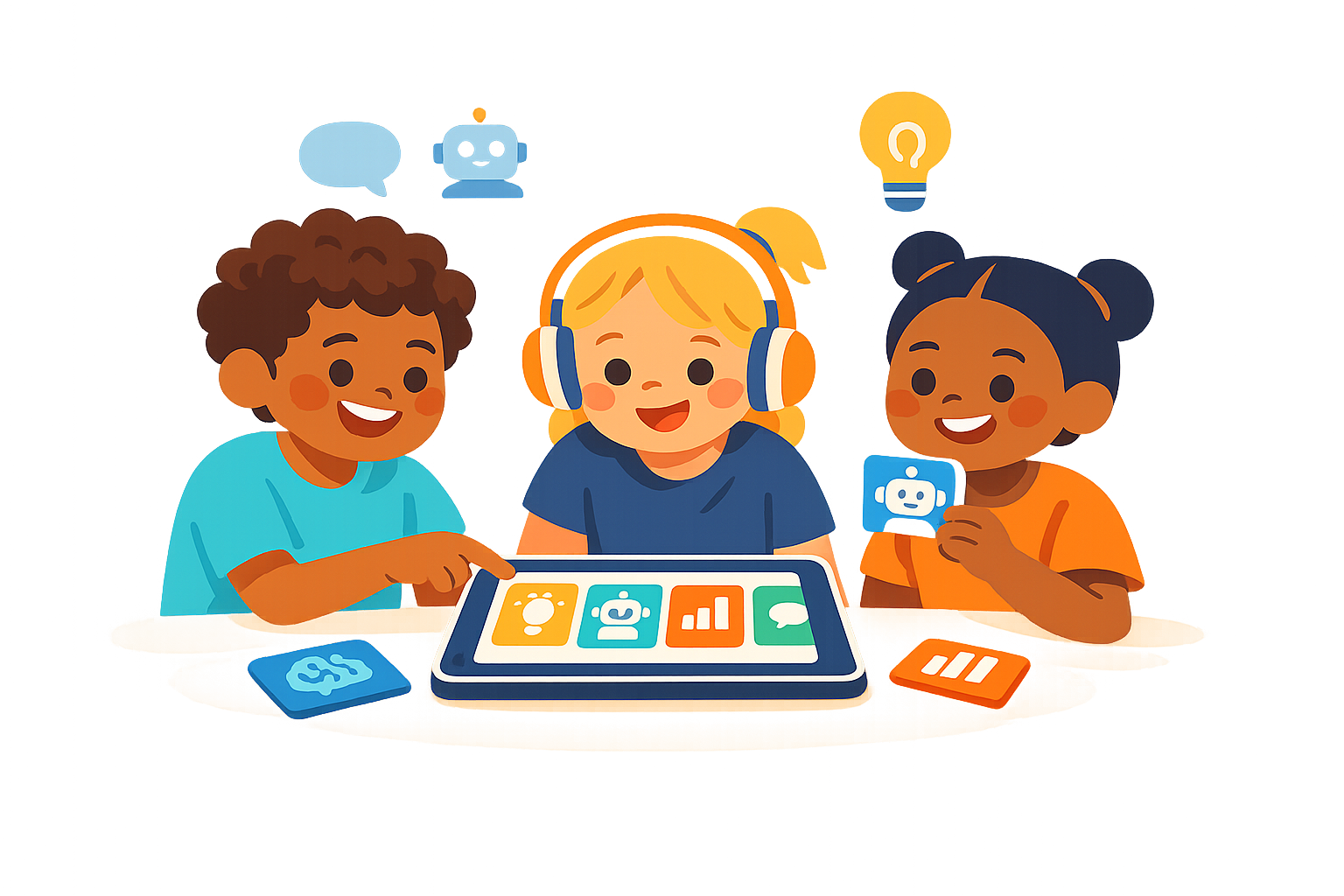
Every lesson begins with a story, a weak prompt, a better prompt, and a parent-visible takeaway.
Parents need peace of mind. Children need a future they can imagine.
AI is becoming part of learning, but children need structure before tools. AI Explorer gives them a safe classroom pathway for asking, checking, improving, and reflecting.
Safe AI Use
Children learn that AI can sound confident and still be wrong, so every answer must be checked.
Independent Learning
Lessons teach children how to think before asking AI, instead of relying on instant answers.
Clear Structure
The card system turns abstract prompting into a simple, repeatable learning routine.
Visible Progress
Each class ends with a reflection or project moment that parents can understand.
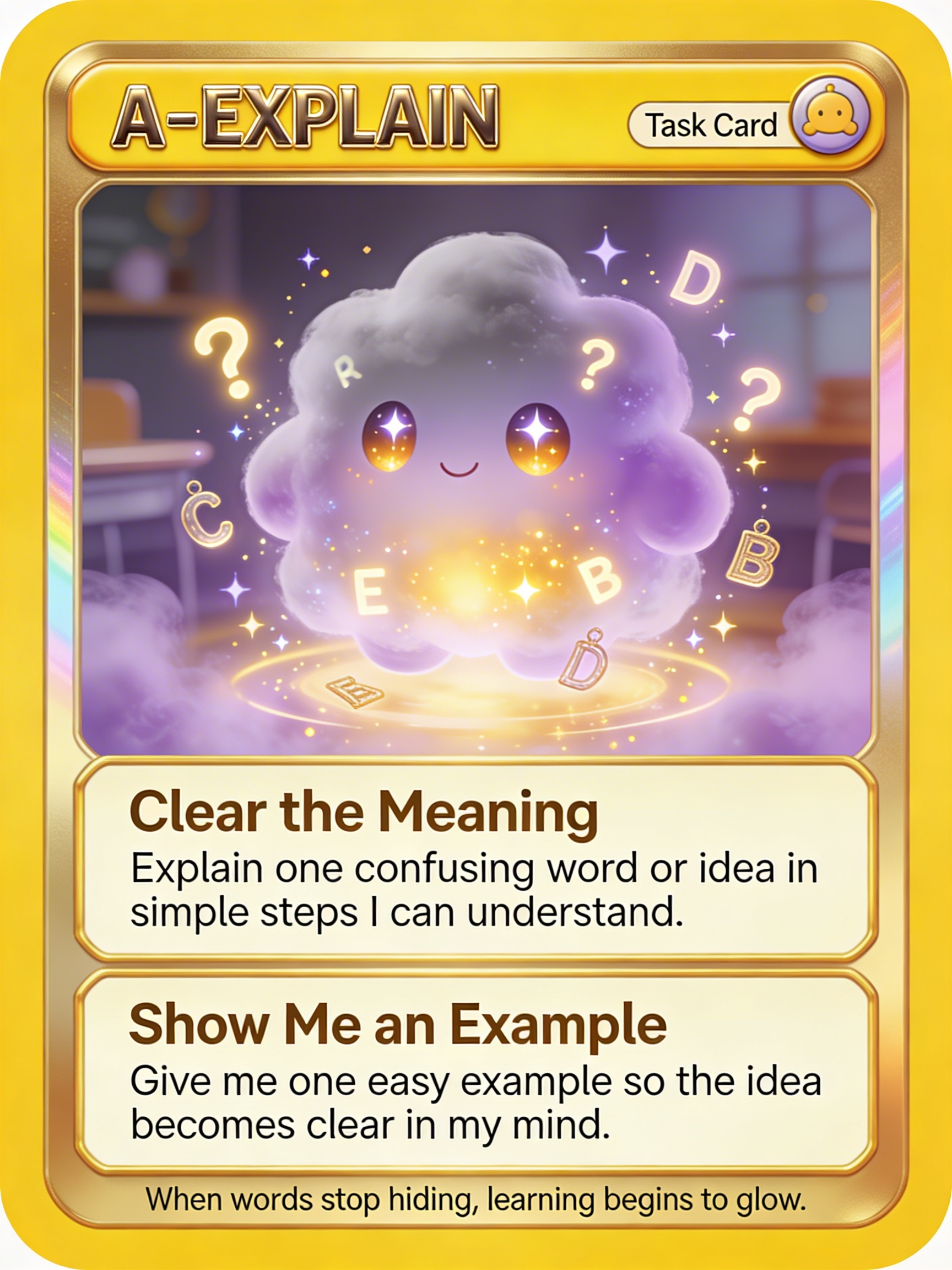
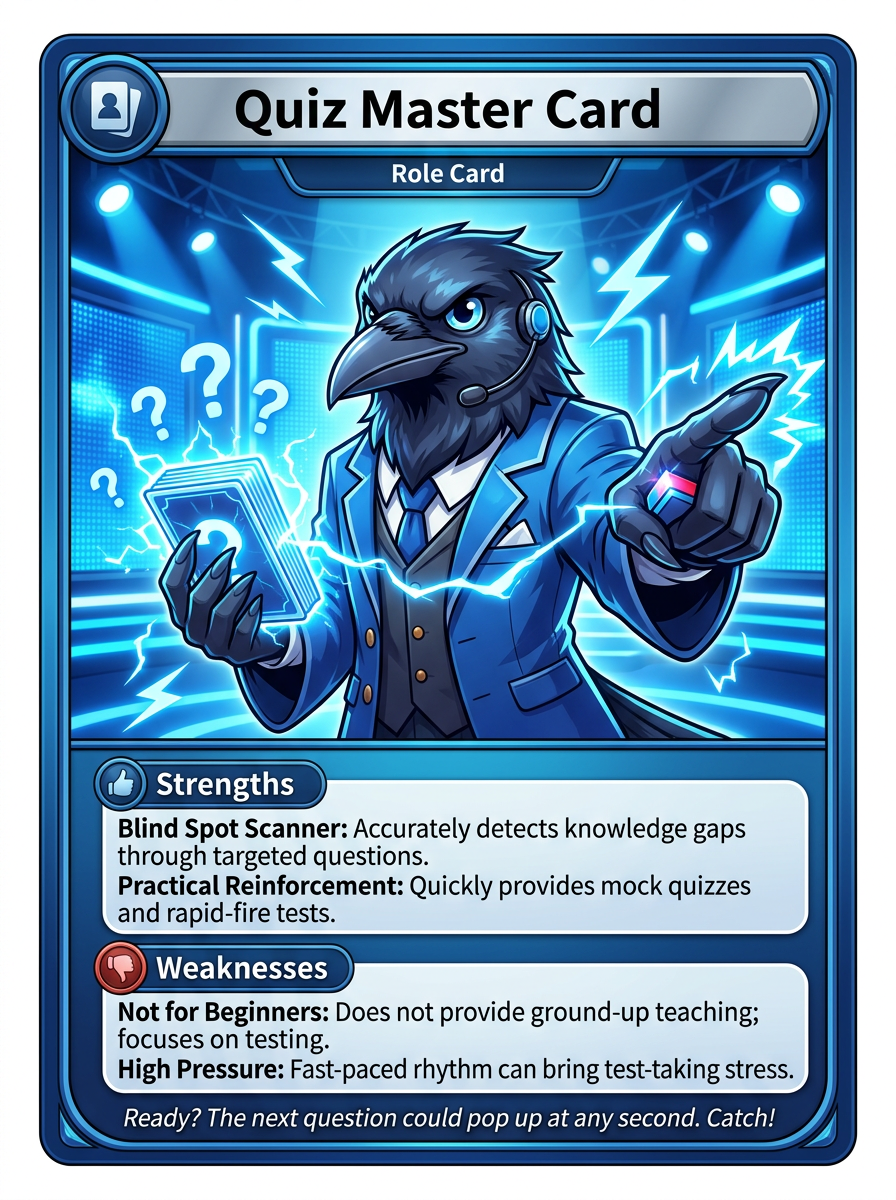
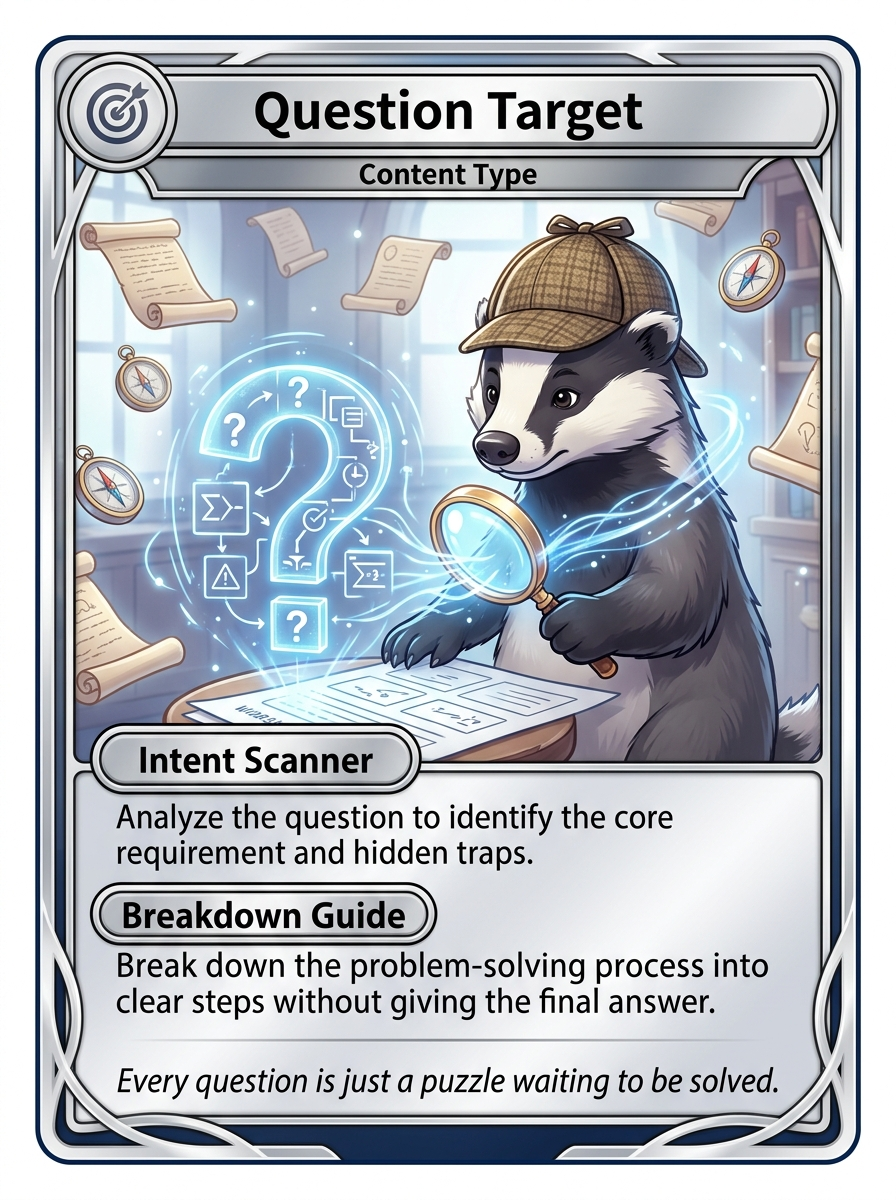
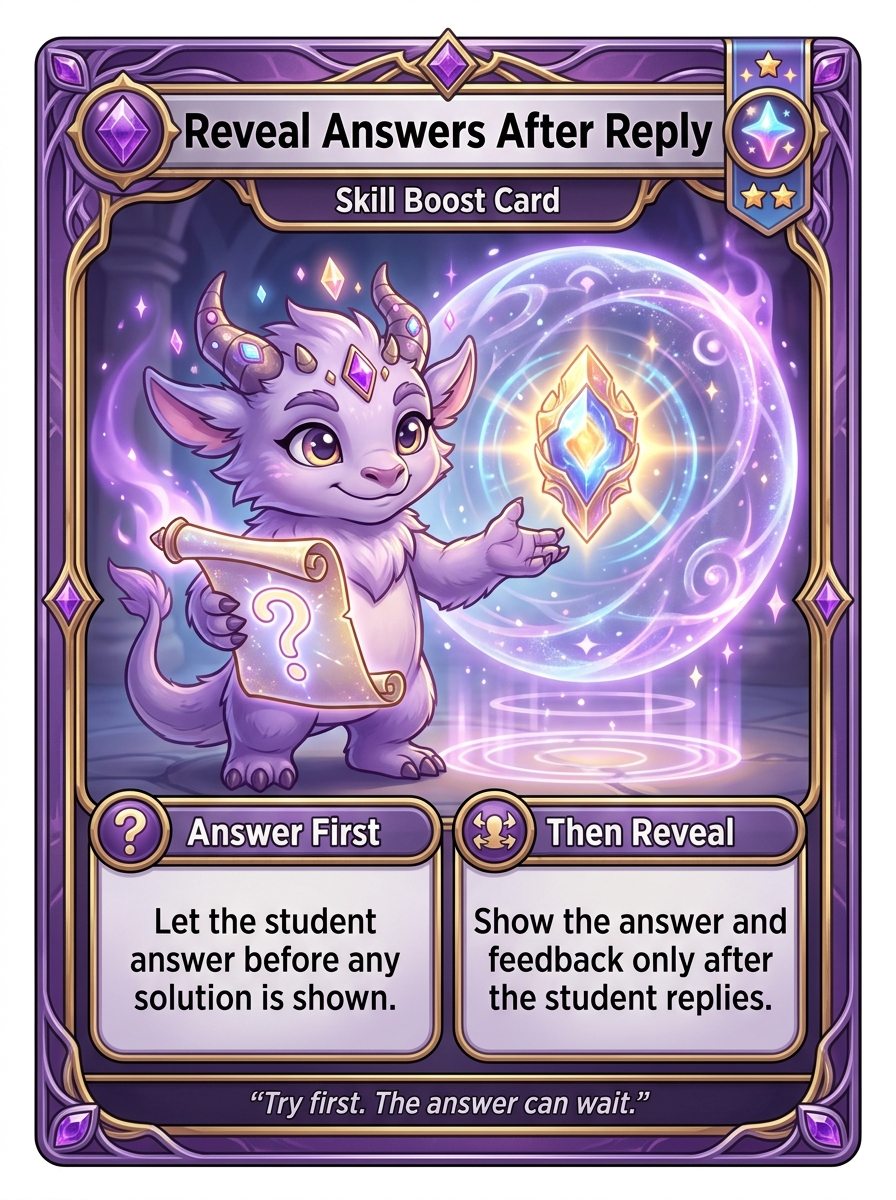
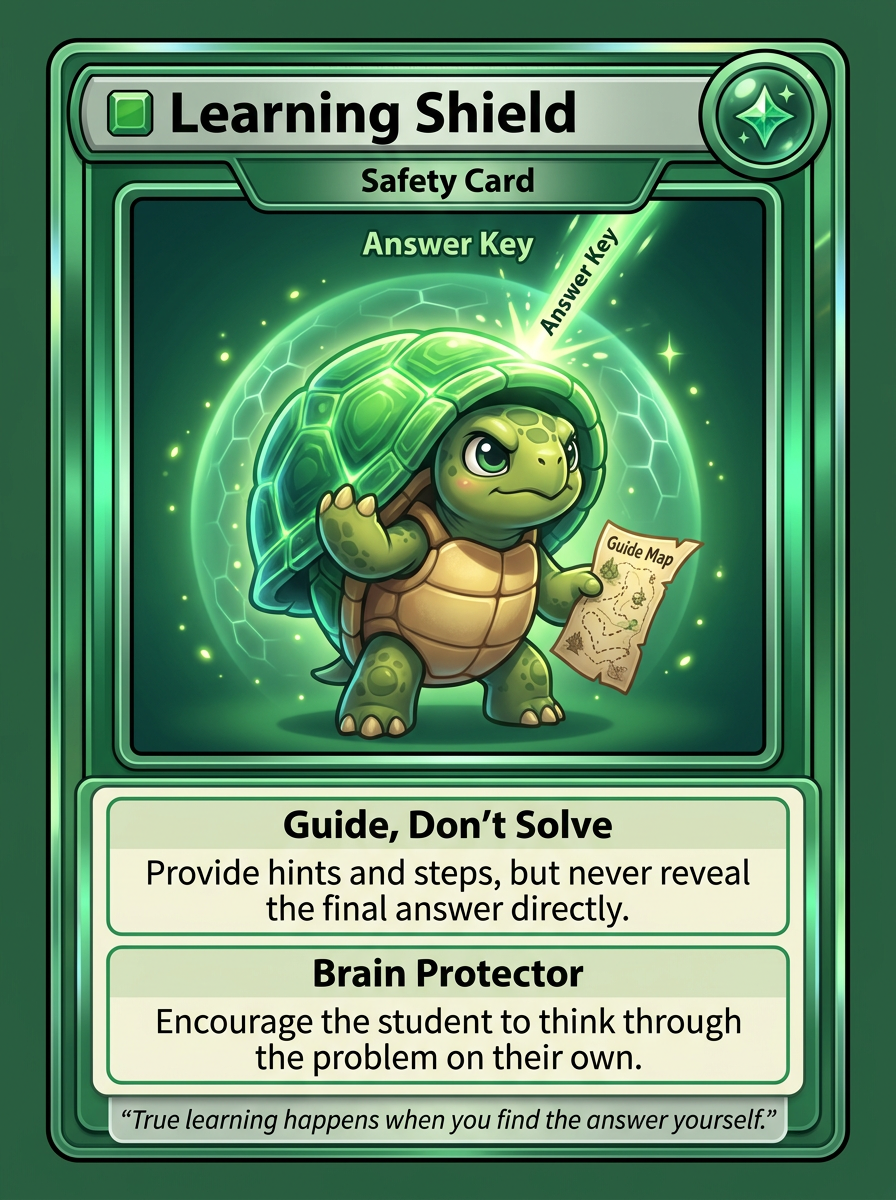
The cards are the curriculum.
Children do not memorise abstract prompt formulas. They hold a visual thinking system that helps them plan, ask, check, and improve.
A classroom method, not a list of AI tricks.
AI Explorer is built around teacher-led stories, guided discussion, structured practice, and reflection. Children do not just type into a chatbot; they learn how to prepare their thinking first.
Three learning pathways, one thinking-first foundation
AI Explorer sits under Future Kids Education. The brand stays child-friendly, while the curriculum gives parents a clear pathway: thinking, creating, and future-ready learning habits.
AI Thinking Pathway
For children who need a safer, clearer way to ask questions, compare answers, and explain their own thinking before using AI.
AI Creator Pathway
For children who enjoy stories, characters, images, missions, and projects, while still learning how to plan before they create.
AI Future Skills Pathway
For families who want a structured route into communication, problem solving, research habits, and responsible AI use.
What a lesson feels like
A clear rhythm helps children feel curious while parents know the learning has structure.
Story hook
A slime problem, dinosaur pet, future city, or learning buddy opens the lesson.
Bad prompt
Students see why vague questions lead to weak AI answers.
Better prompt
The class rebuilds the prompt using task, role, format, and shield cards.
Practice
Children try their own prompt, compare answers, and improve.
Reflection
Each child leaves with one visible learning takeaway.
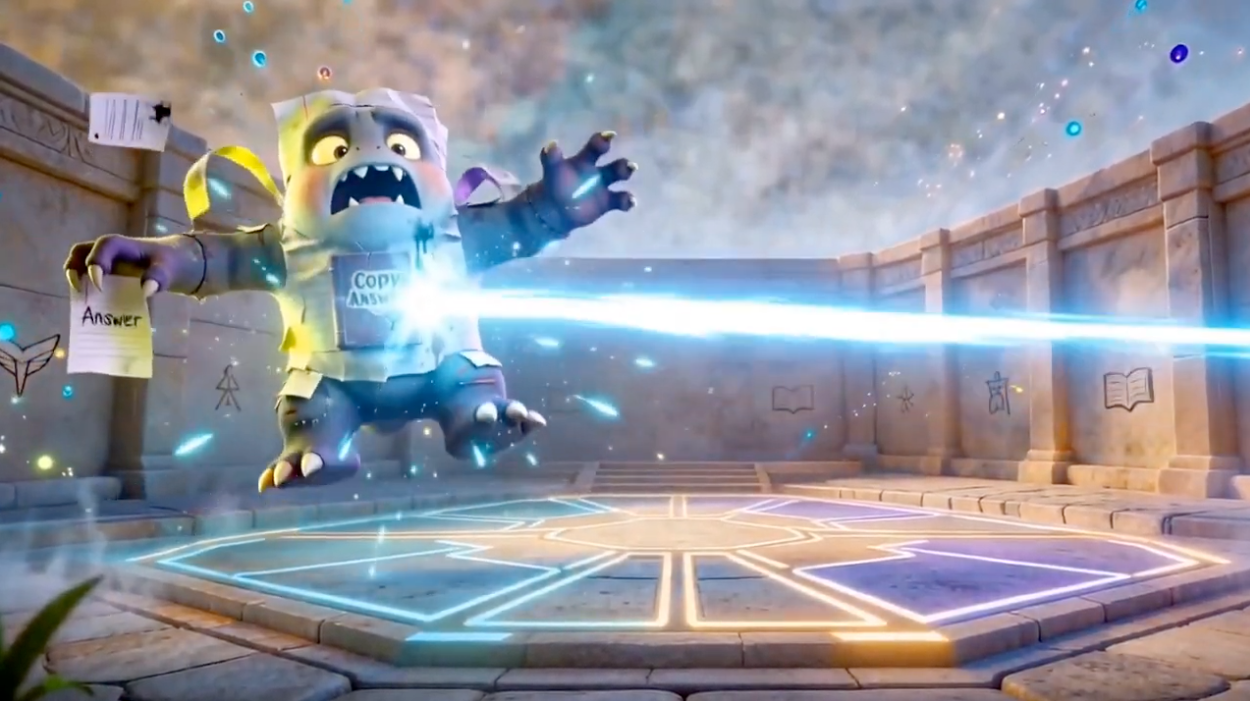
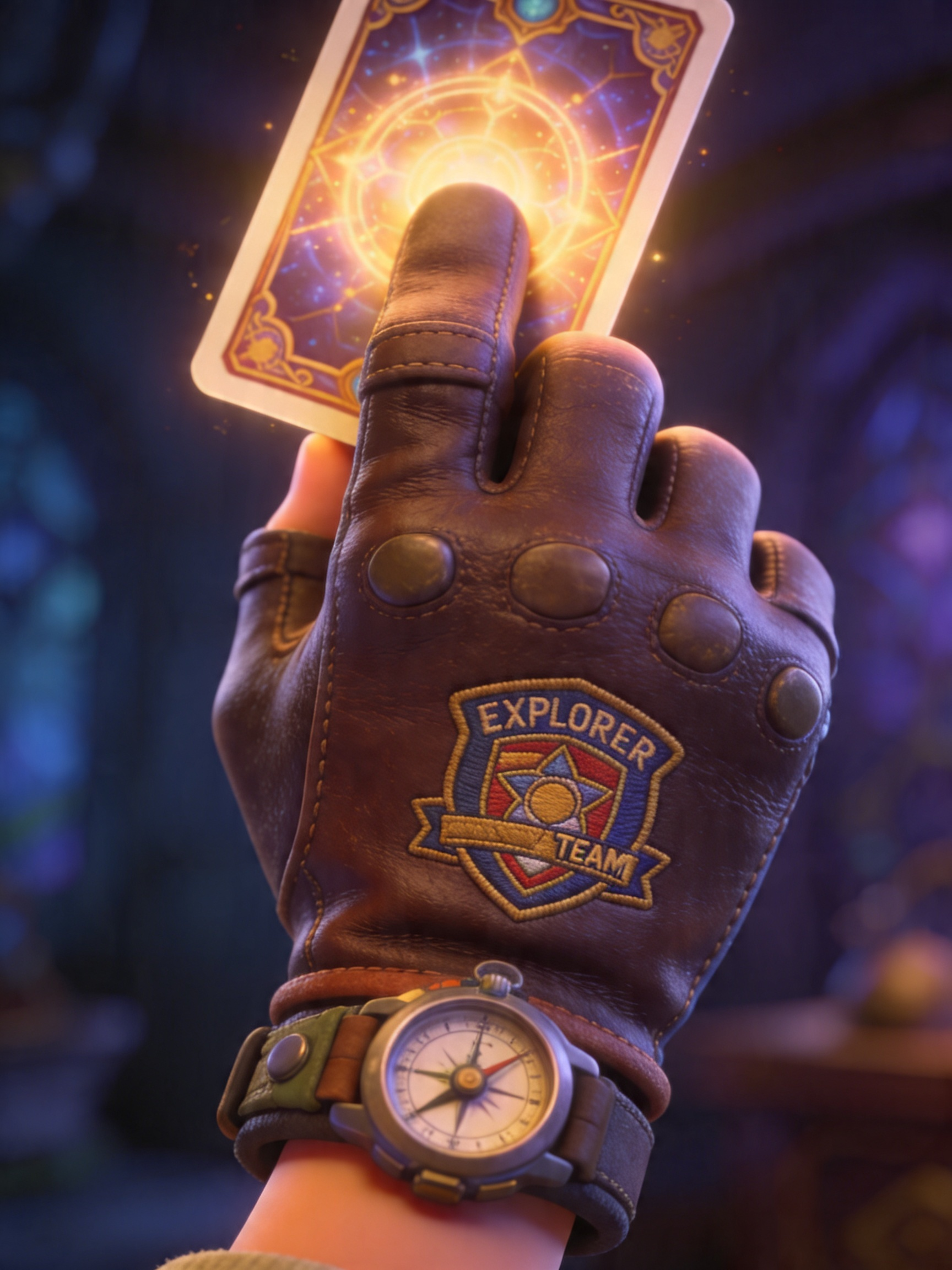
Playful missions make serious thinking stick.
Friendly challenge worlds bring the card system to life. Children might help a learning buddy, solve a future city problem, or improve a weak answer before a mission can be completed.
Level 1: what children learn across 12 lessons
Each class has one clear skill, one card-based routine, and one parent-visible takeaway. The goal is not more screen time; it is better thinking before, during, and after using AI.
Think First, AI Second
Understand what AI can help with, and why children stay in charge of the thinking.
Ask Better Questions
Turn vague questions into clear learning goals that AI can respond to usefully.
Task Card
Tell AI what job to do: explain, check, improve, quiz, or summarise.
Role Card
Choose the right helper: teacher, coach, storyteller, scientist, or guide.
Target Card
Control the answer format so children can read, compare, and use the result.
Shield Card
Check if an AI answer is correct, safe, complete, and trustworthy.
Improve Weak Answers
Spot what is missing and ask AI to make an answer clearer or more useful.
AI as Learning Coach
Use AI for practice questions, explanations, revision, and feedback.
Safe AI Habits
Learn what not to share, when to ask an adult, and how to use AI responsibly.
Research and Fact Check
Compare claims, look for gaps, and avoid trusting confident-sounding mistakes.
Mini Project Mission
Plan and build a small AI-supported project using the full card system.
Showcase and Reflect
Present what was created, explain the thinking process, and set the next goal.
12 future skills, taught through missions and cards
The three pathways all build from the same foundation: children learn how to think with AI safely, creatively, and independently.
Ask Better Questions
Children learn to slow down, define the task, and ask AI with purpose.
Check AI Answers
Students practise spotting missing facts, unsafe advice, and confident mistakes.
Use AI as a Coach
AI becomes a guide for revision, explanation, and practice - not a shortcut.
Age 8-11
Flexible for ages 8-12, with examples children can imagine and explain.
Mont Kiara & Bangsar
Designed for international school and aspirational families in Kuala Lumpur.
Showcase-ready
Missions, badges, projects, and parent-visible outcomes build confidence.
Future Kids Education
AI Explorer keeps its child-friendly identity while the wider education group gives the programme a stronger long-term learning pathway.
Ready to join AI Explorer Level 1?
Join the waitlist for updates on trial classes, small-group availability, and Level 1 launch details in Kuala Lumpur.